Brian Le
Architecture and Interior Design

DIVERSE | BOLD | TECHNICAL
I design with a focus on clarity and technical understanding, building visuals that are intentional, adaptable, and refined.
01:Donutshop
Interiors & Architecture | Orthographic Plans | Model
Project Overview
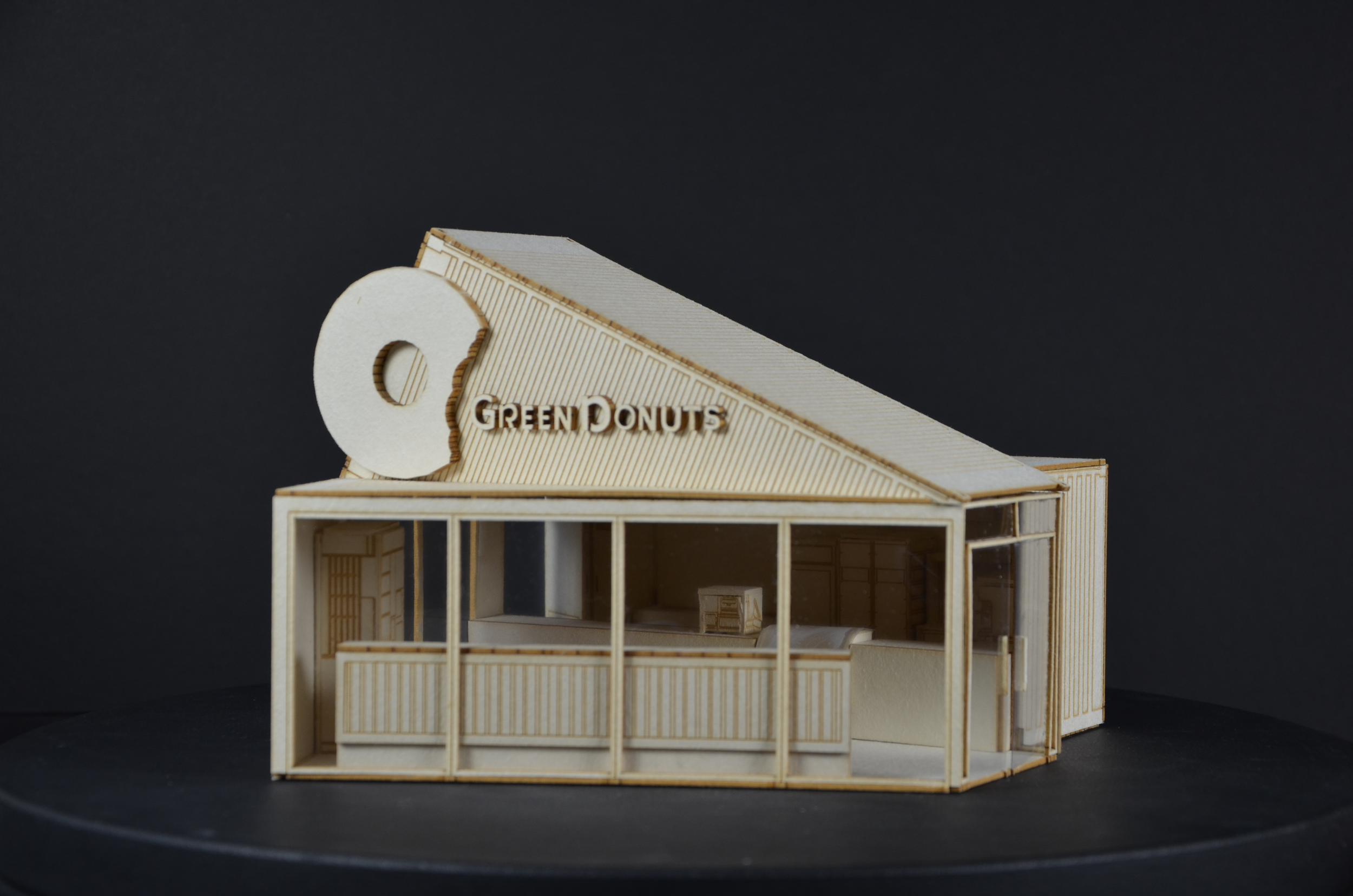
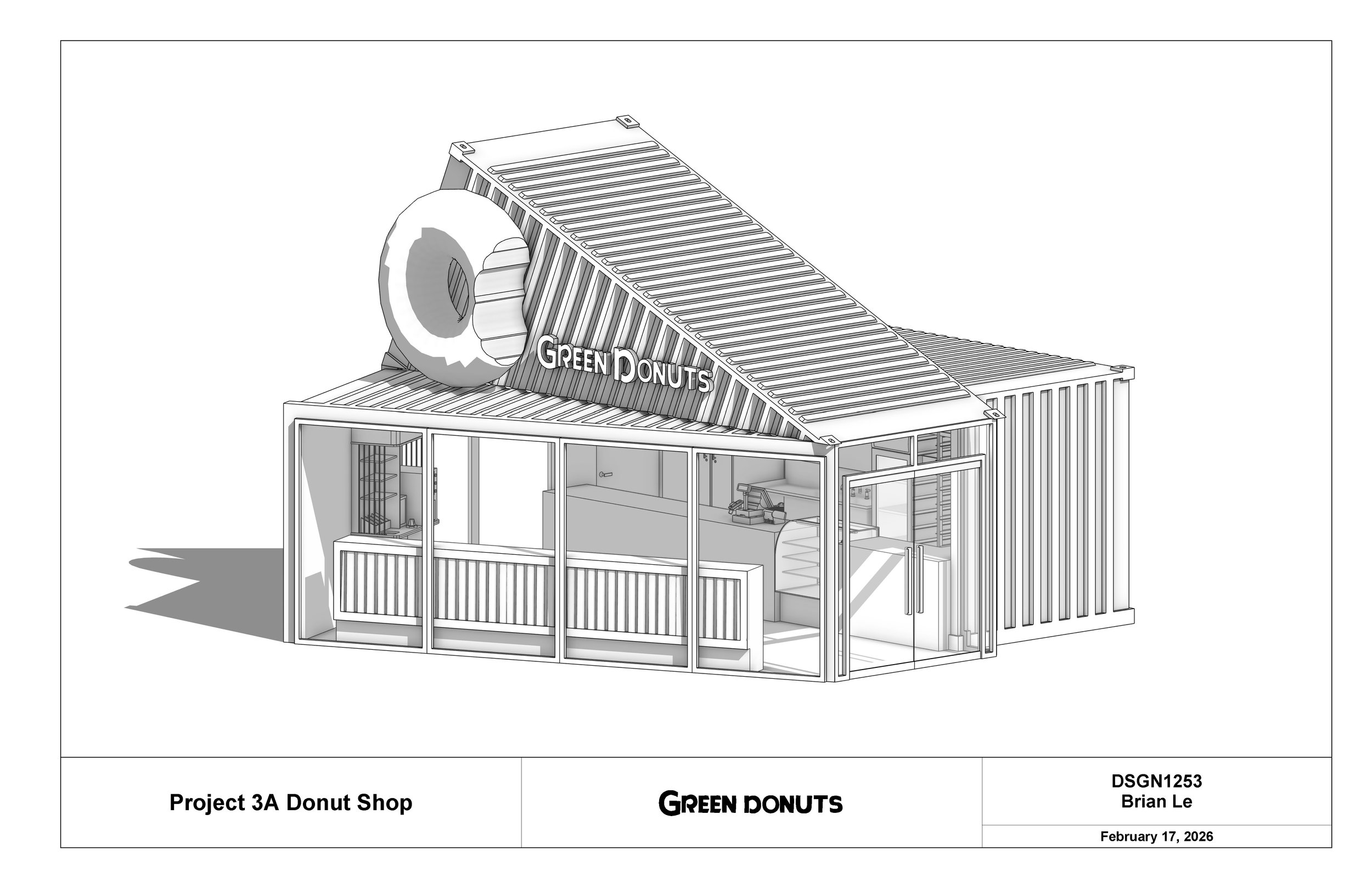
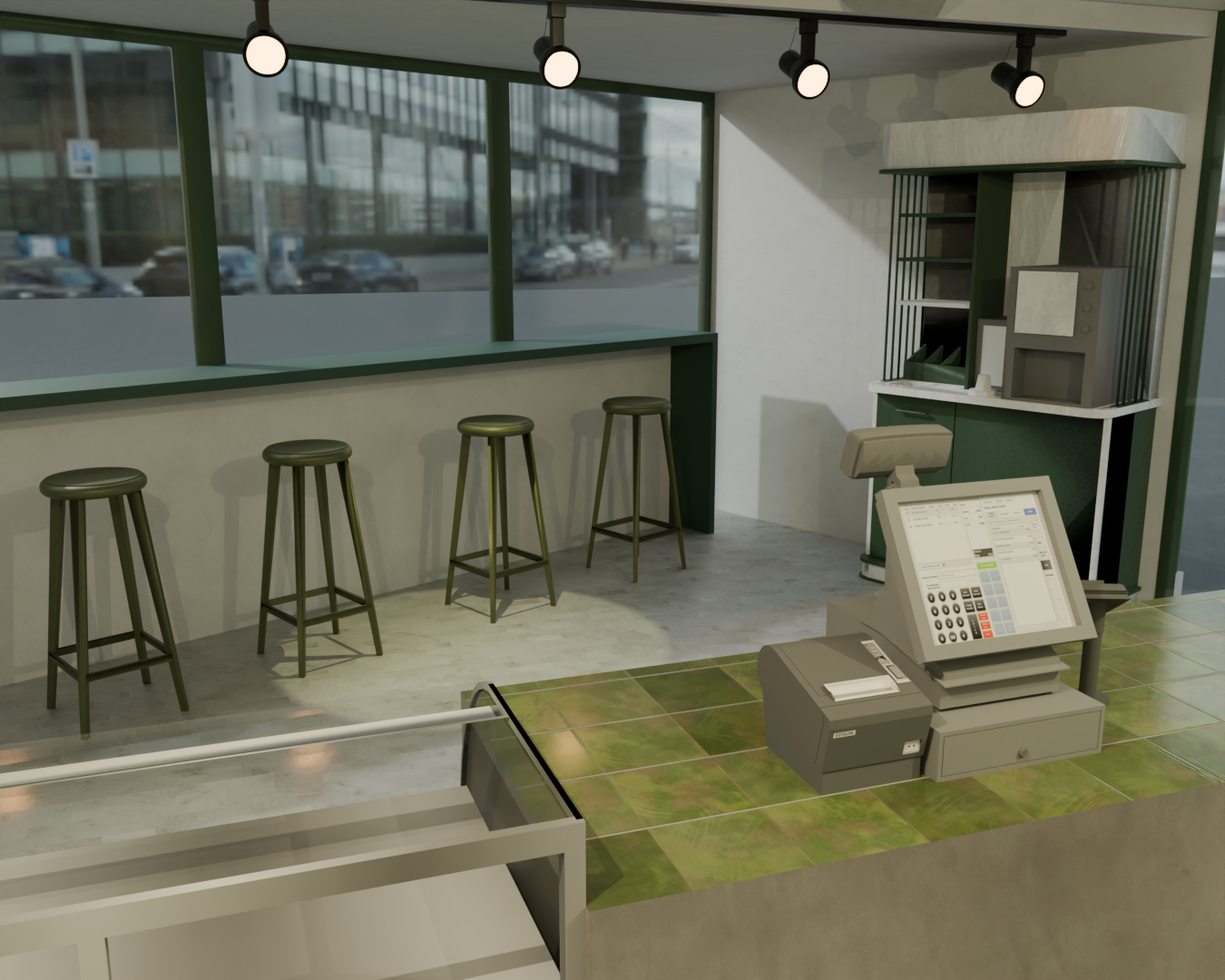
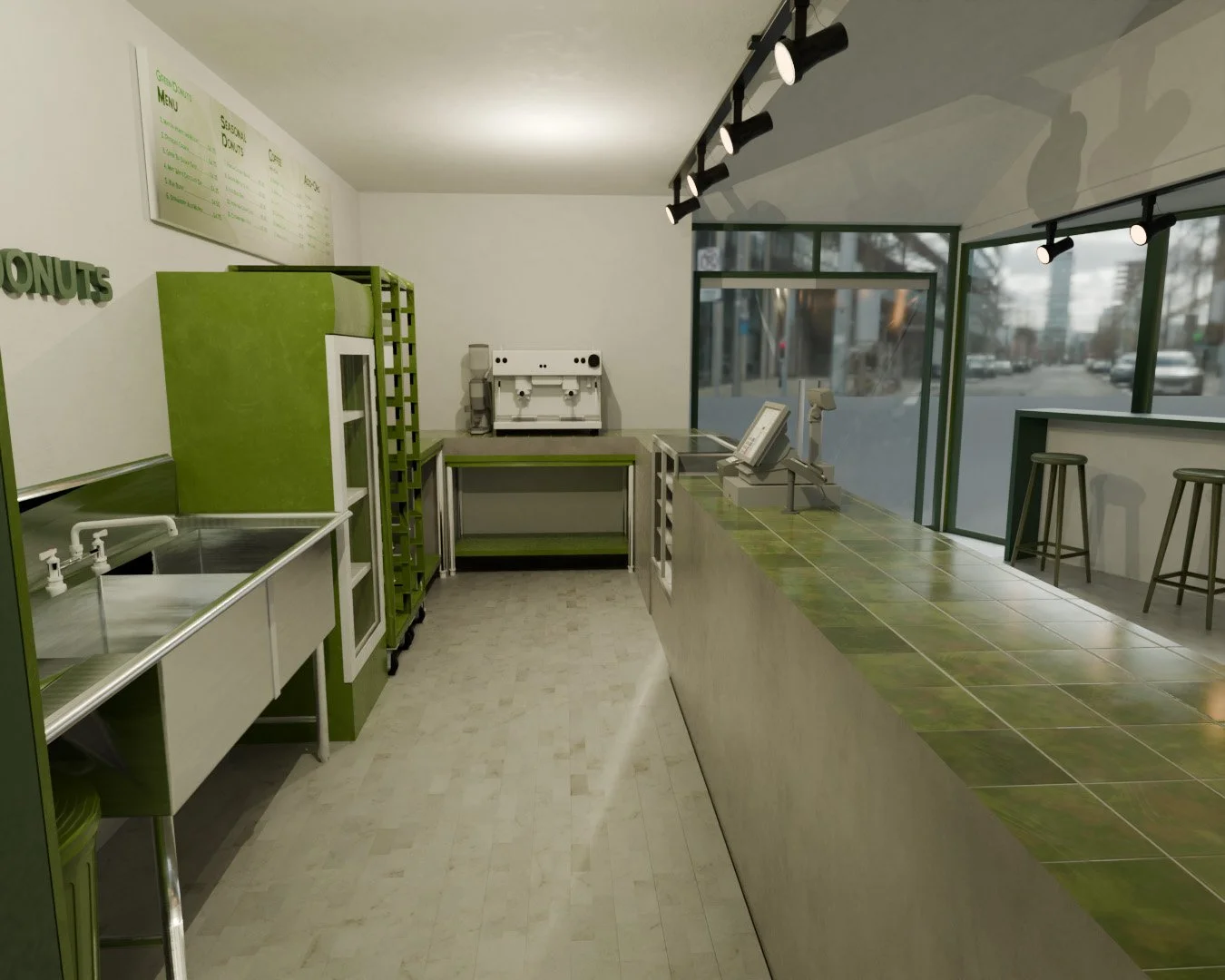
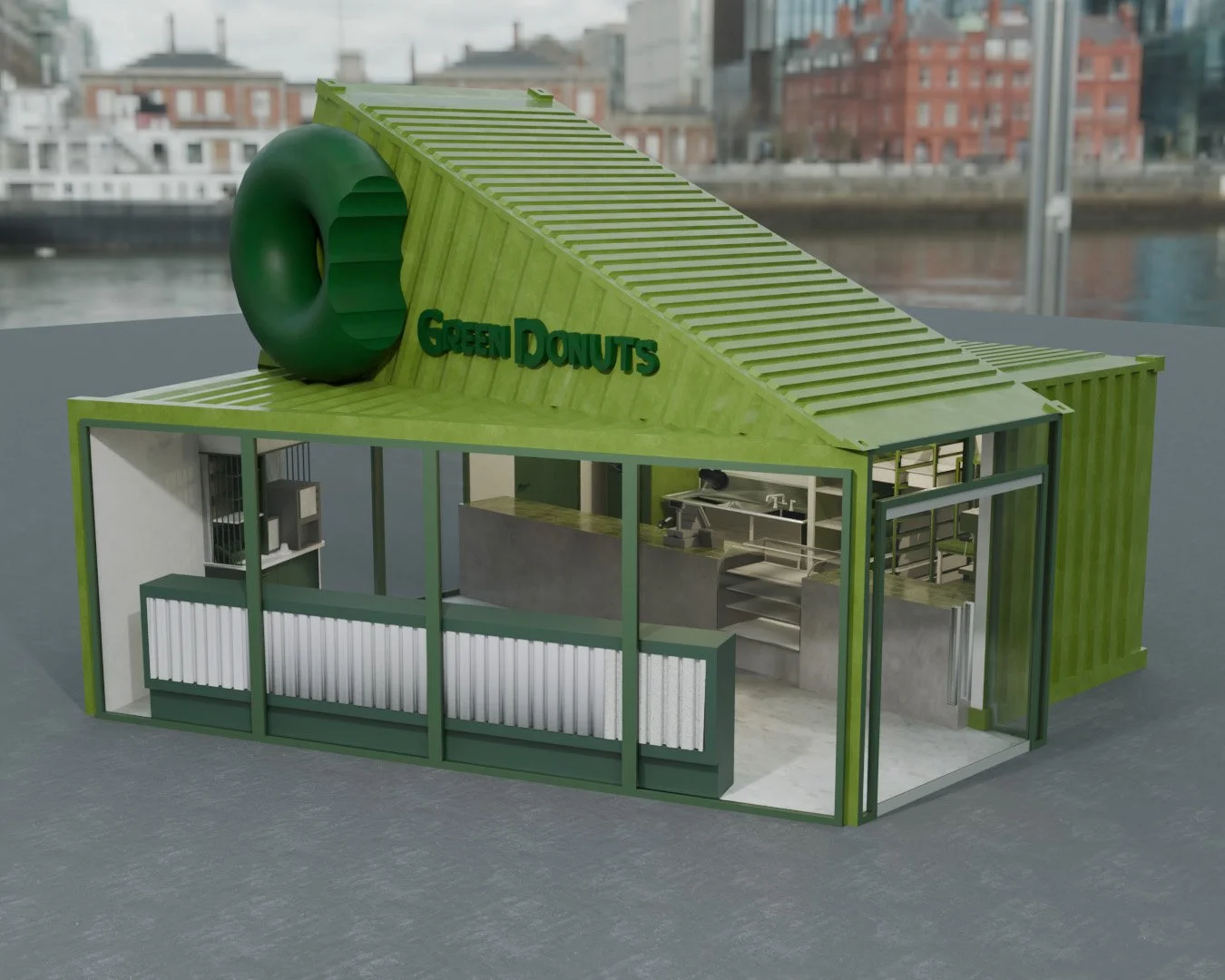
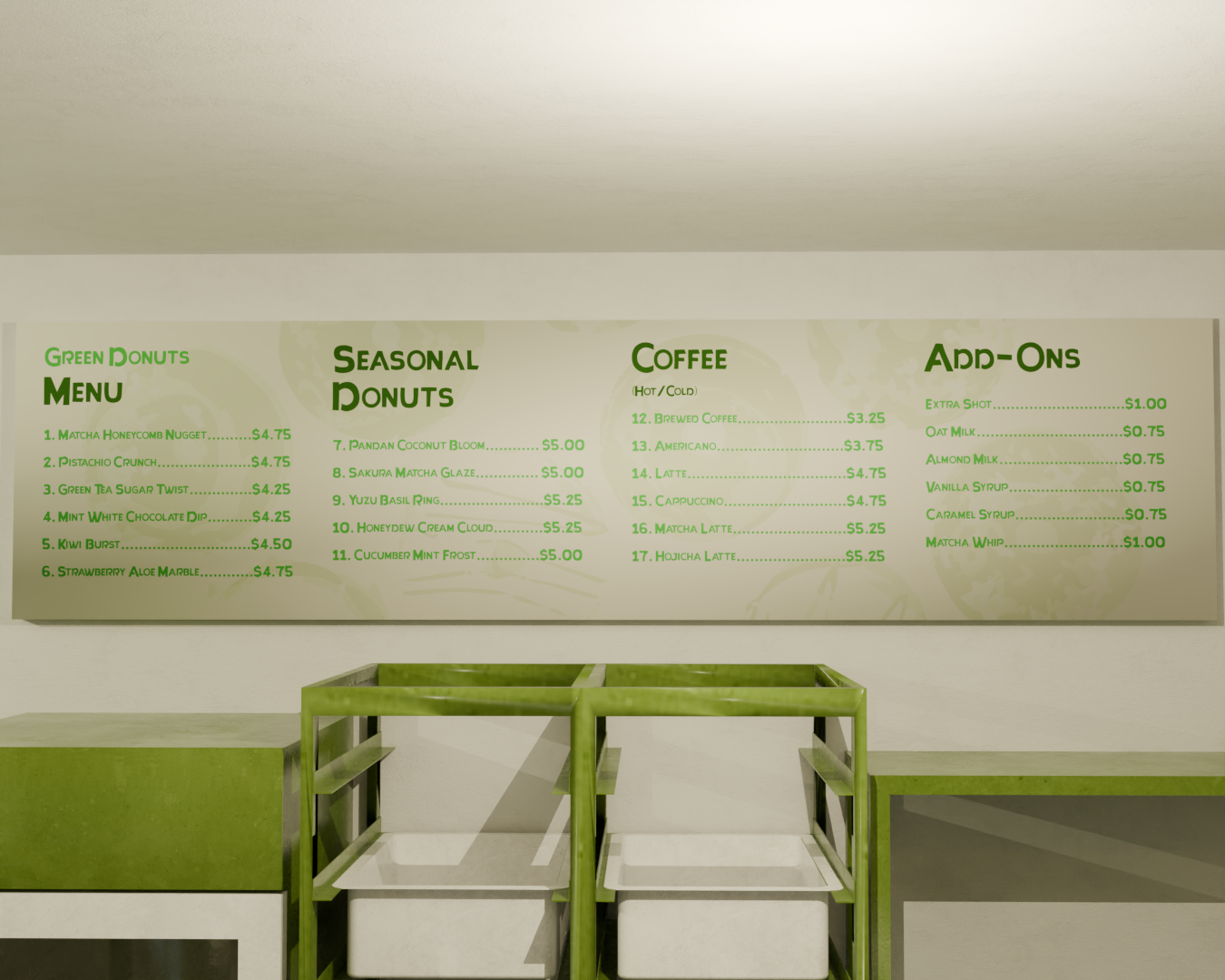
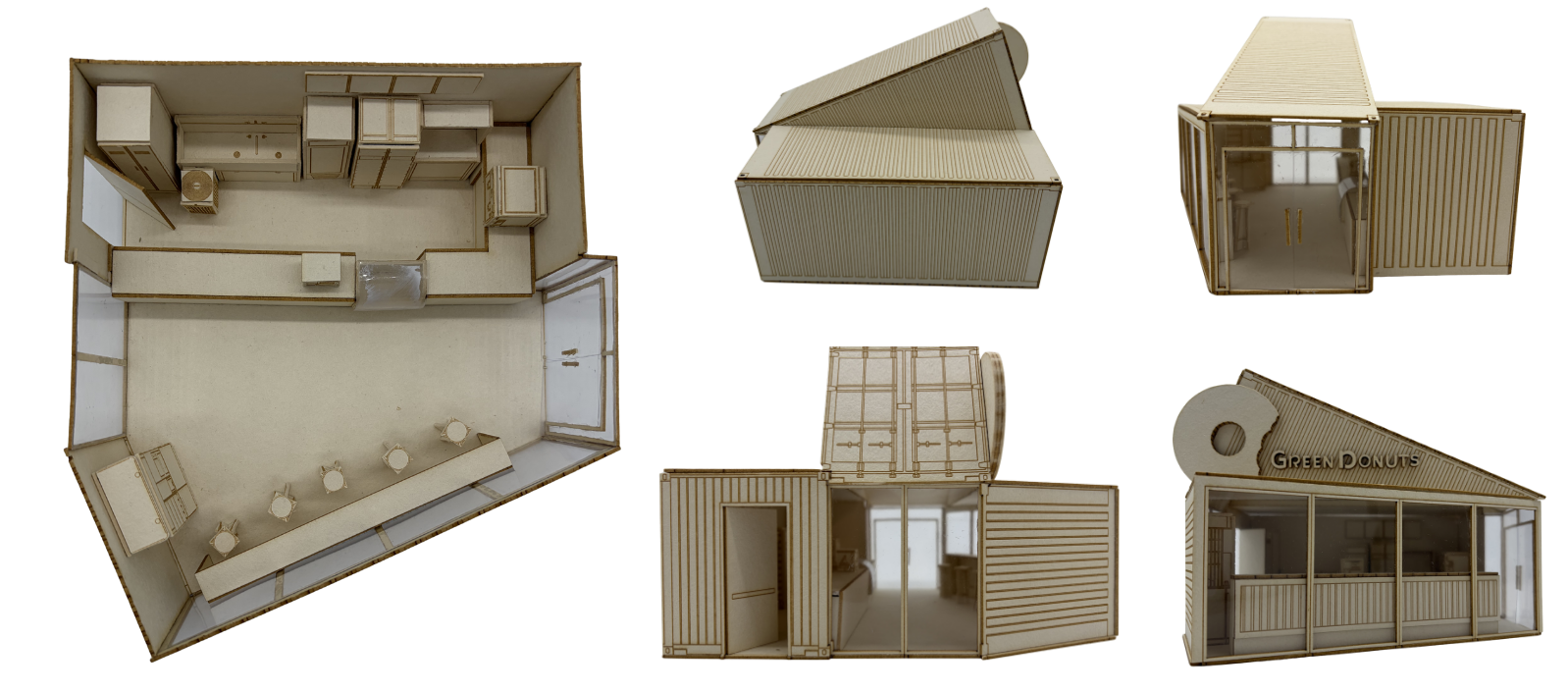
“Green Donuts” Shipping Container Donut Shop
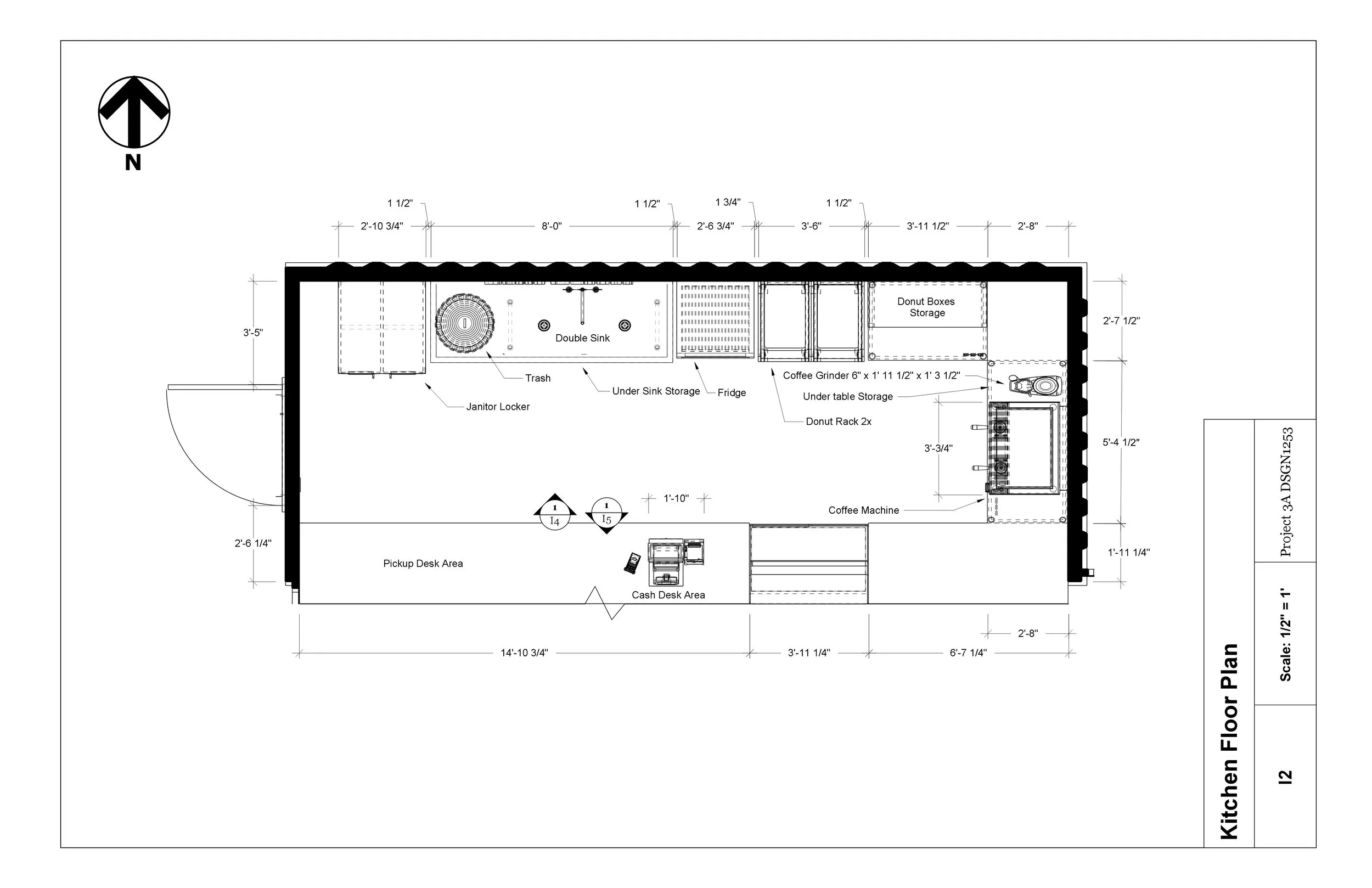
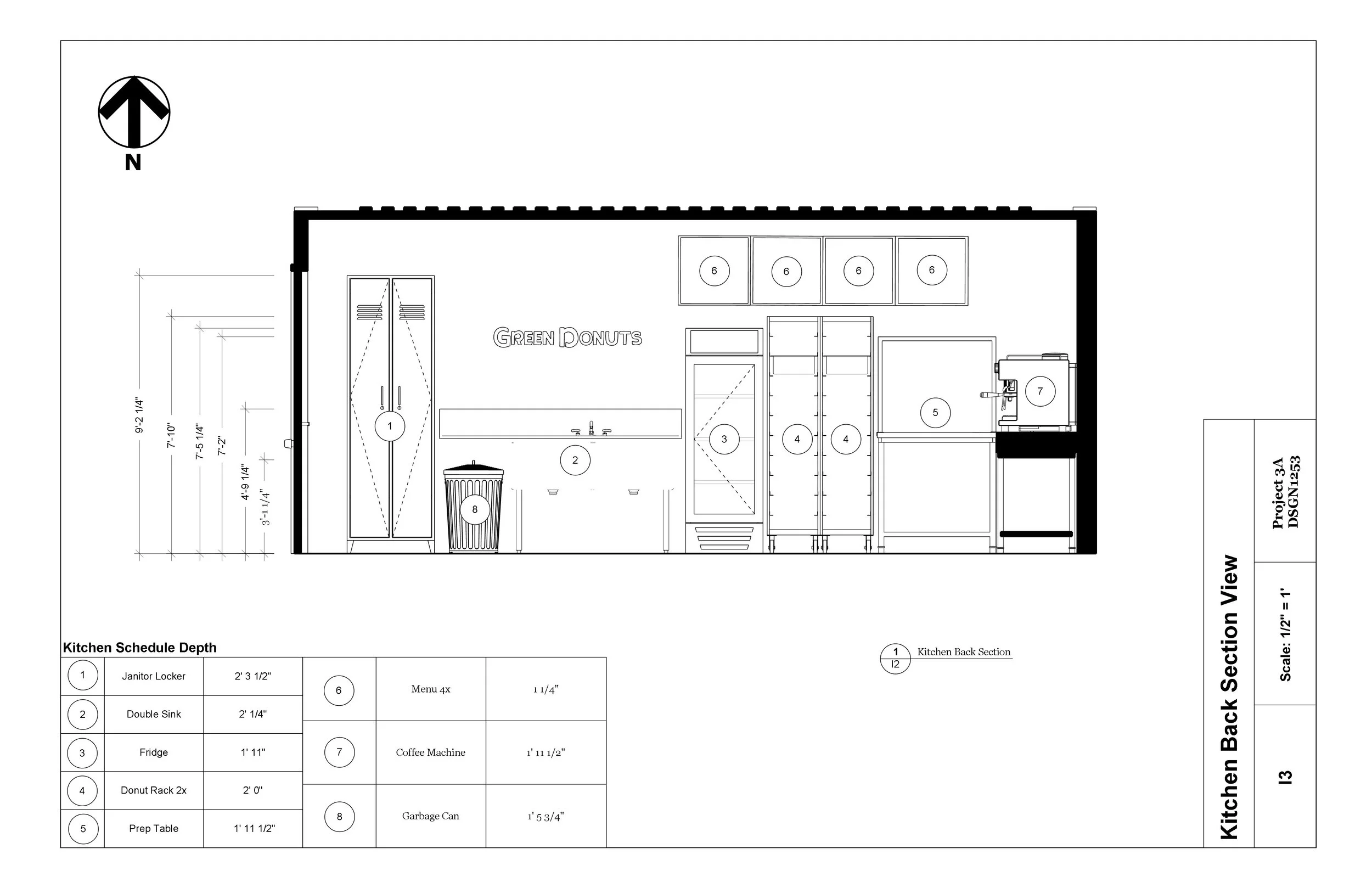
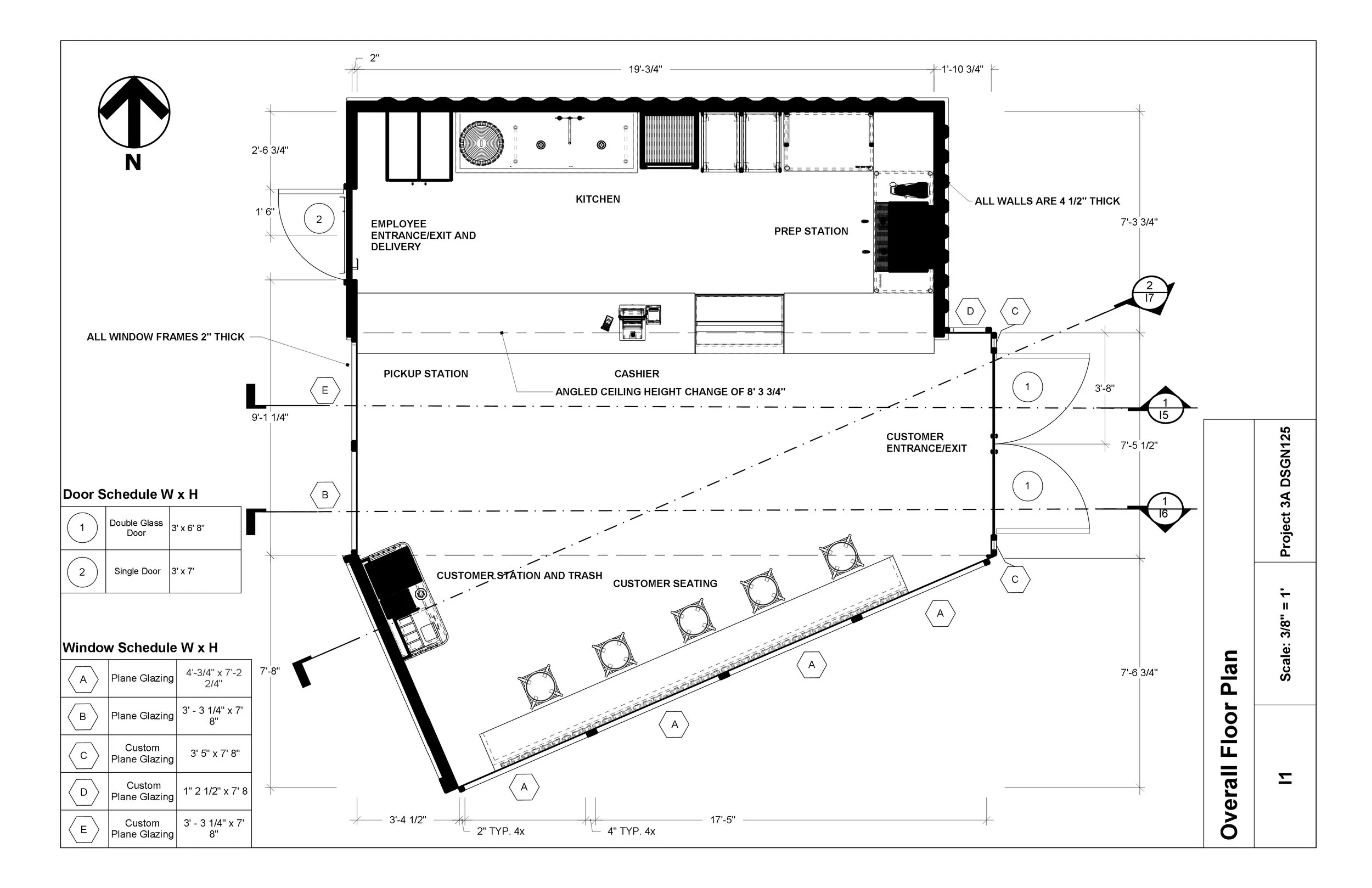
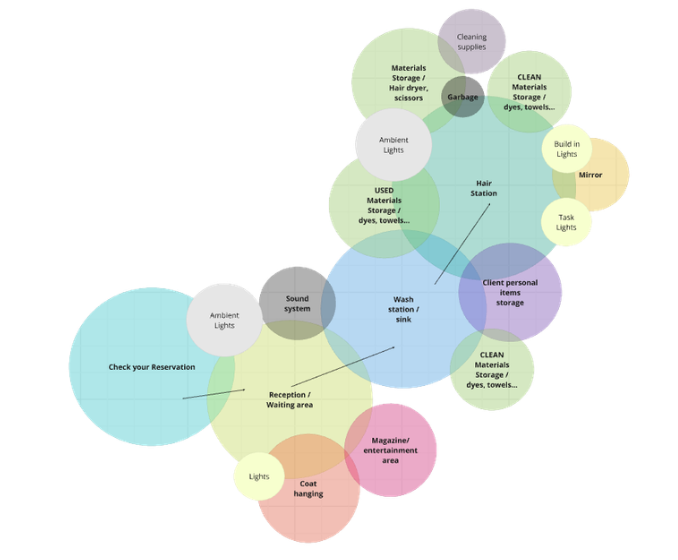
This project explores the design of a donut shop built from two 20 ft shipping containers. The work started with an adjacency matrix and bubble diagrams to understand flow, zoning, and how the space needed to function. This helped with the floor plan, elevations, and sections, which were drafted to meet commercial kitchen guidelines and the limitations of the containers. Each container was allowed one vertical cut, glazing could fill the openings, and no upper level could be used.
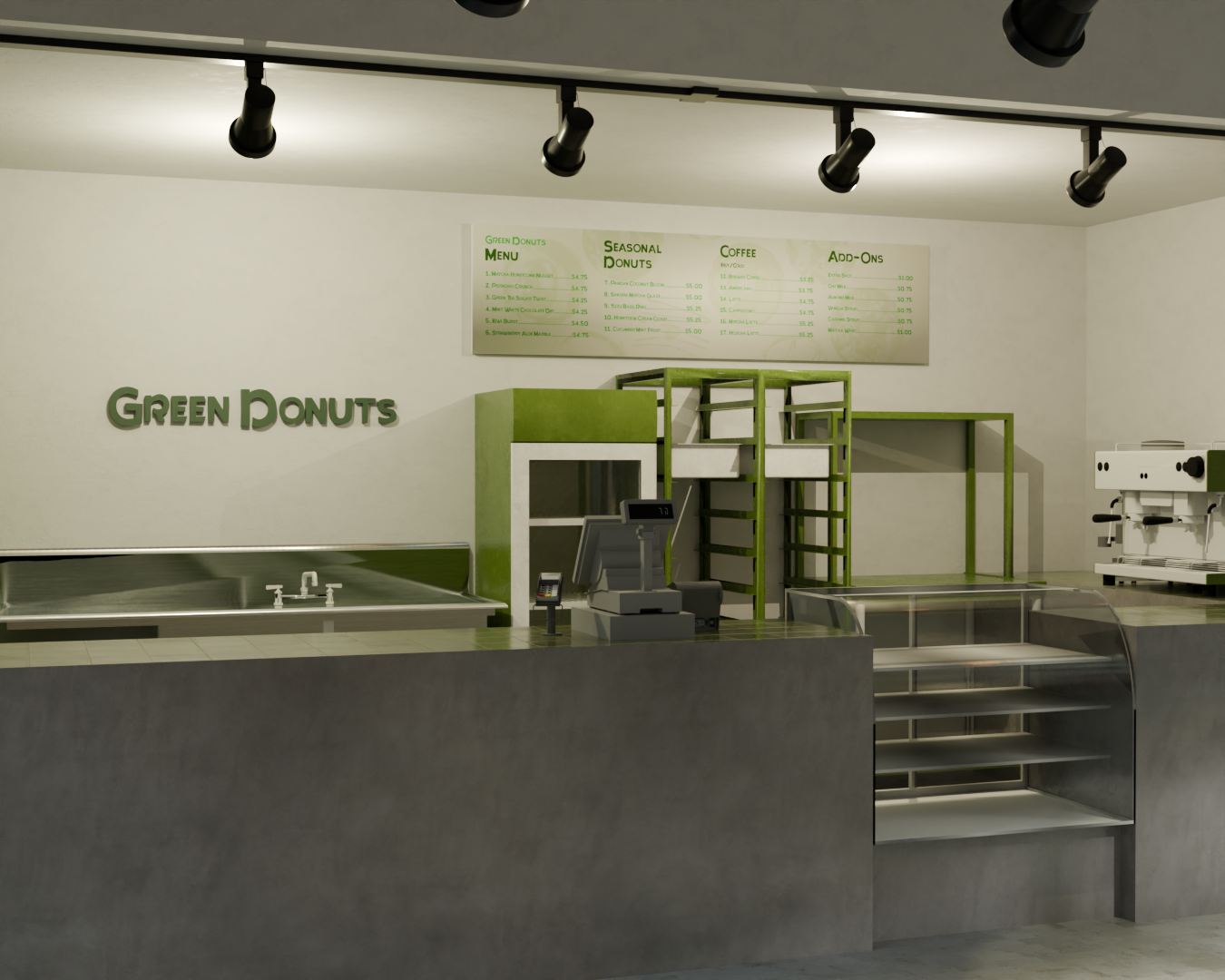
The final stage translated the drawings into a 3/8 inch to 1-foot physical model. Laser‑cut components were used to represent the exterior, interior, and key fixtures. This project later supported the rendering and experiential work completed in Experiential Design IV.
02:Barbershop
Interiors & Architecture | Material Board | FFE Board
Project Overview
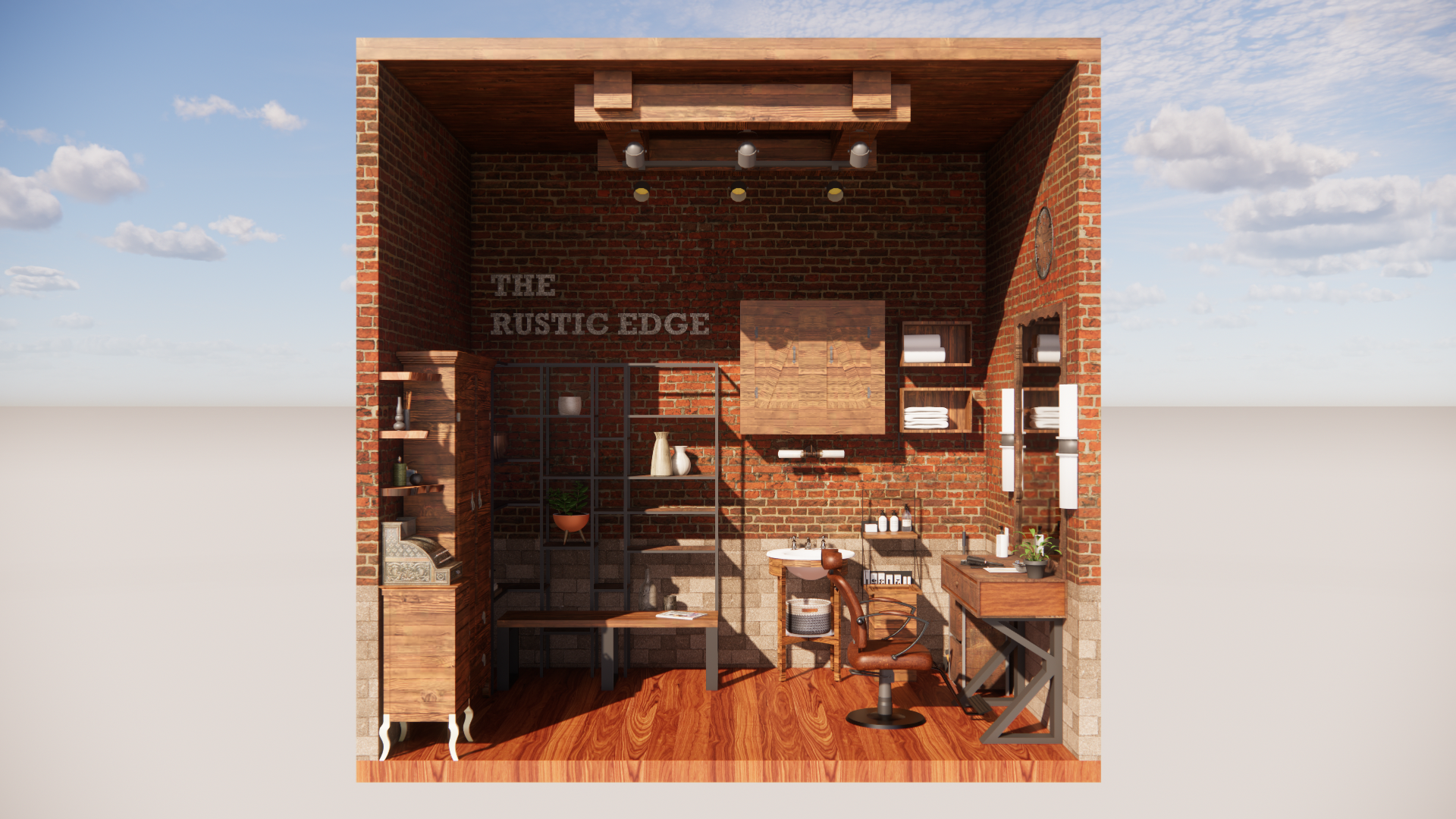
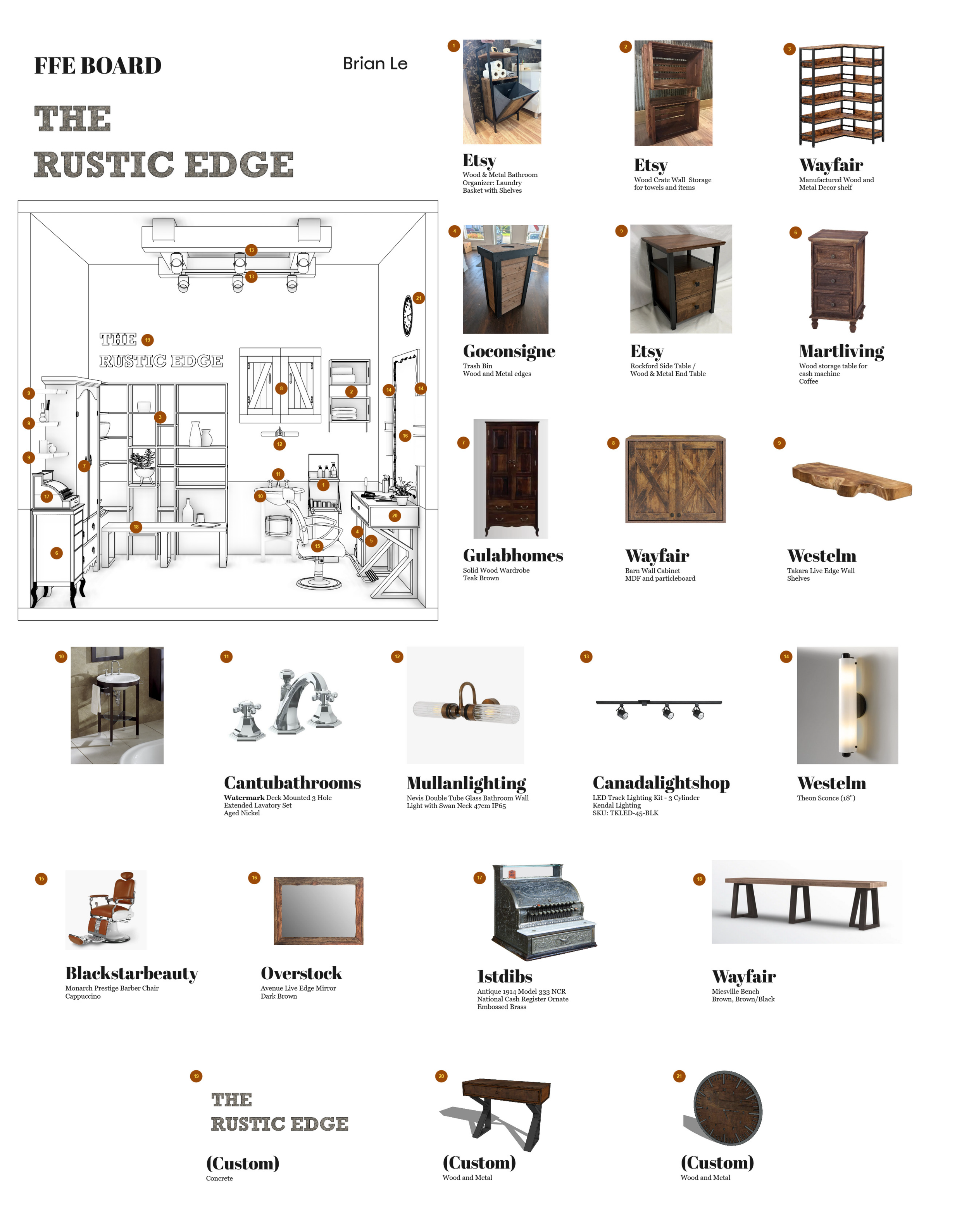
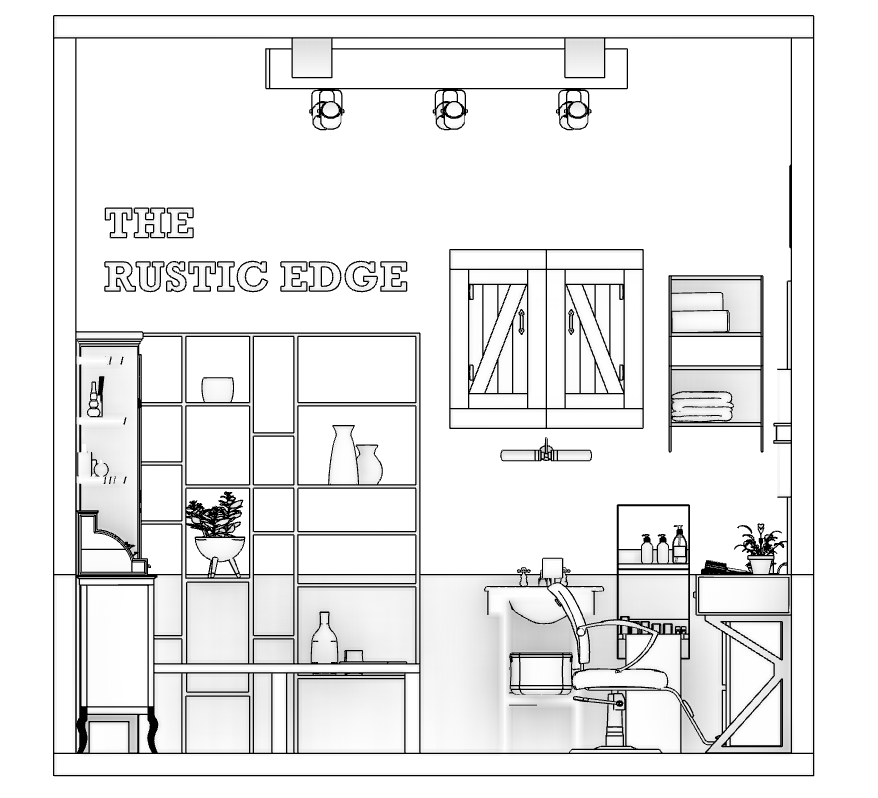
“The Rustic Edge” Mini Salon / Barbershop Interior
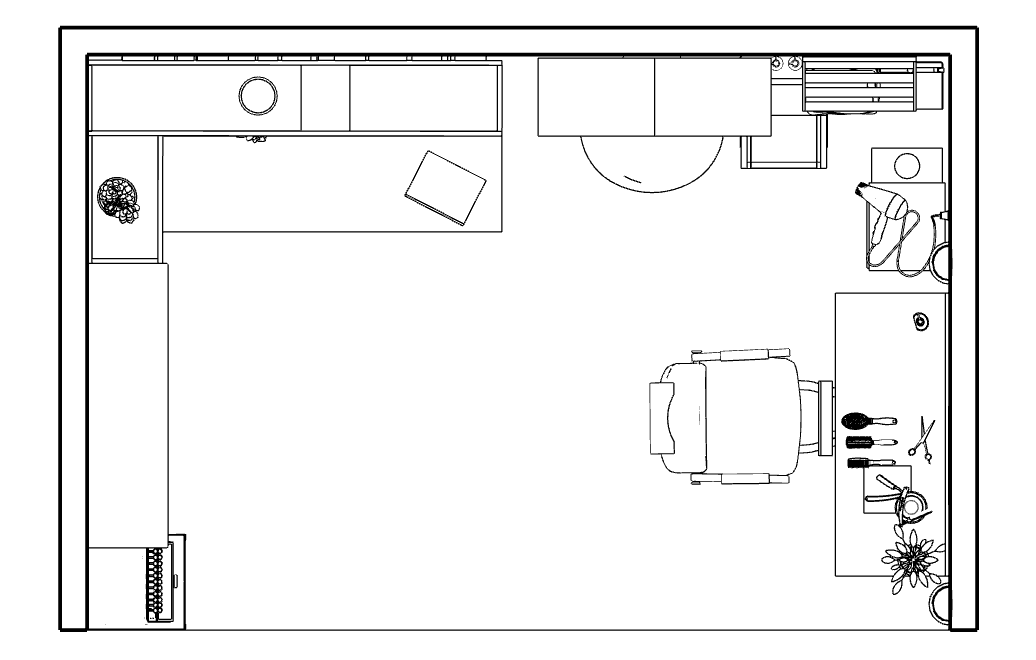
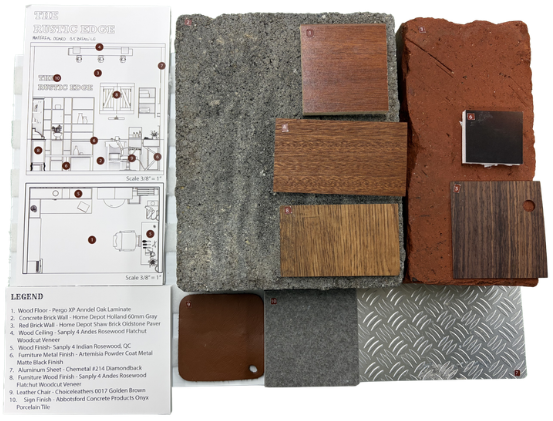
This project focused on designing a small, upscale hair, makeup, and barbershop interior within an 8’ x 12’ footprint. The brief required a complete SketchUp model along with an FFE board and a materials board. I was assigned the Rustic design style, which guided the material palette, atmosphere, and overall direction of the space. My goal was to create an upscale interior using, reclaimed wood, exposed brick, matte black metal, and warm lighting.
Project Overview
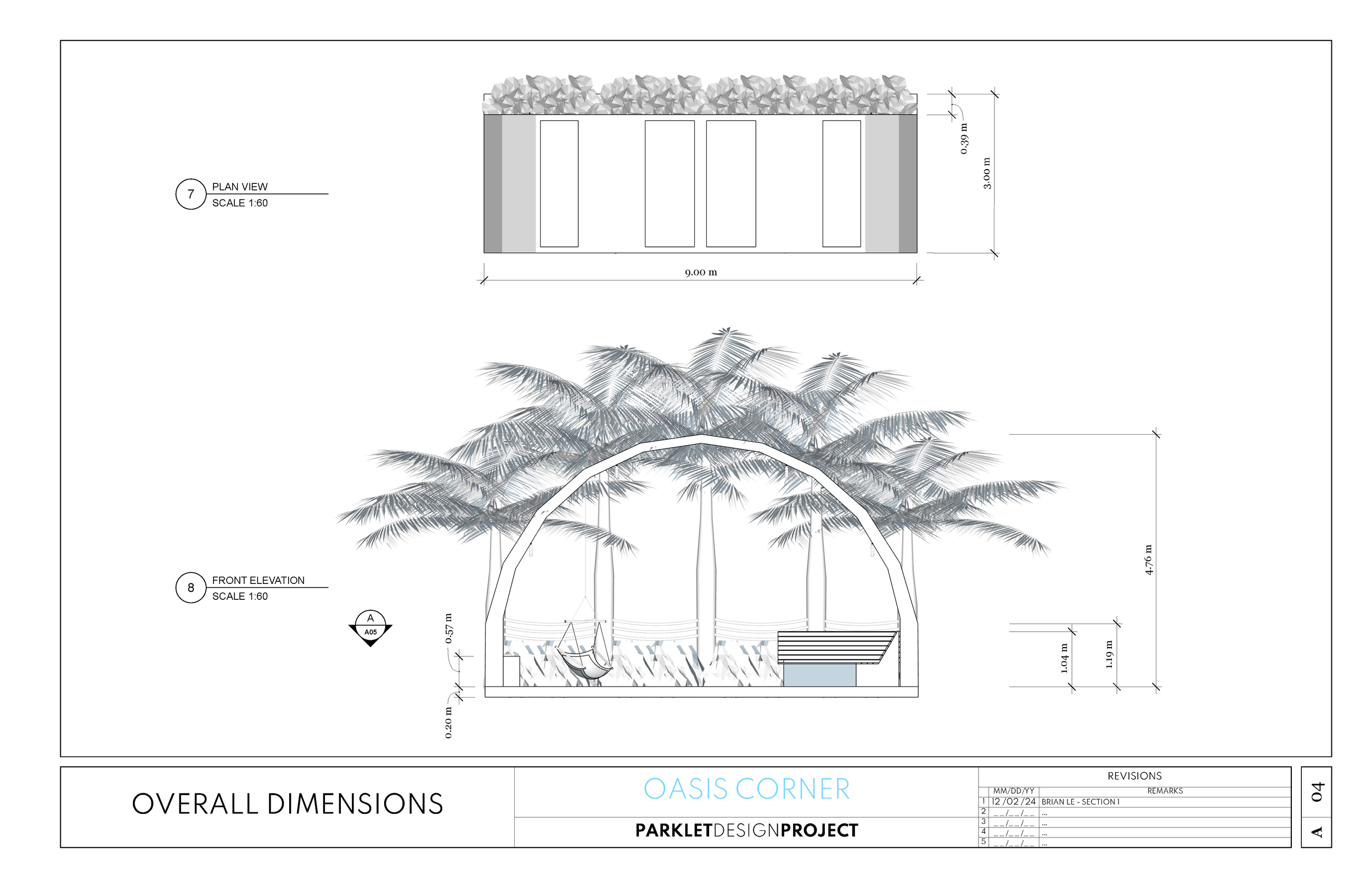
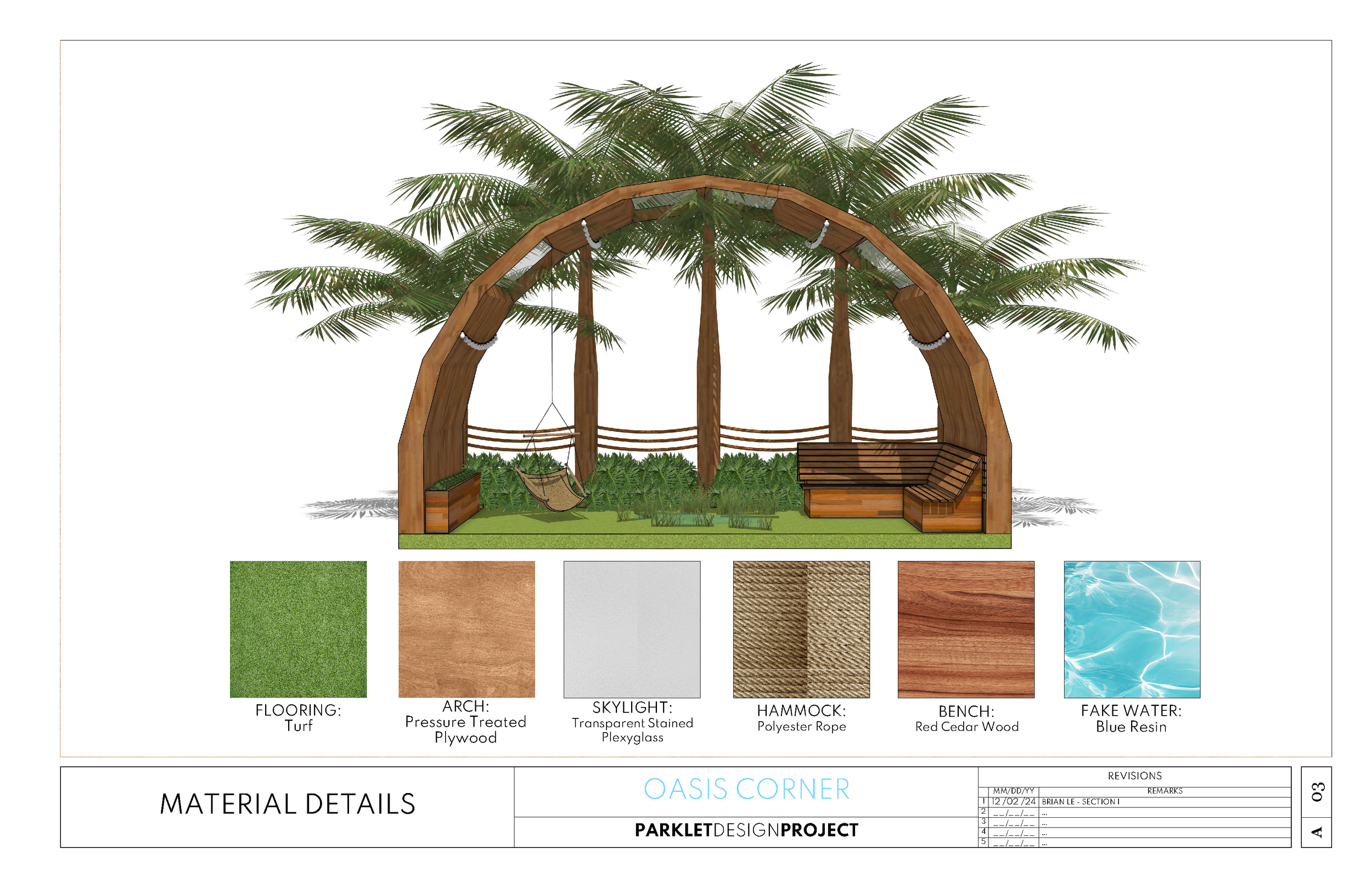
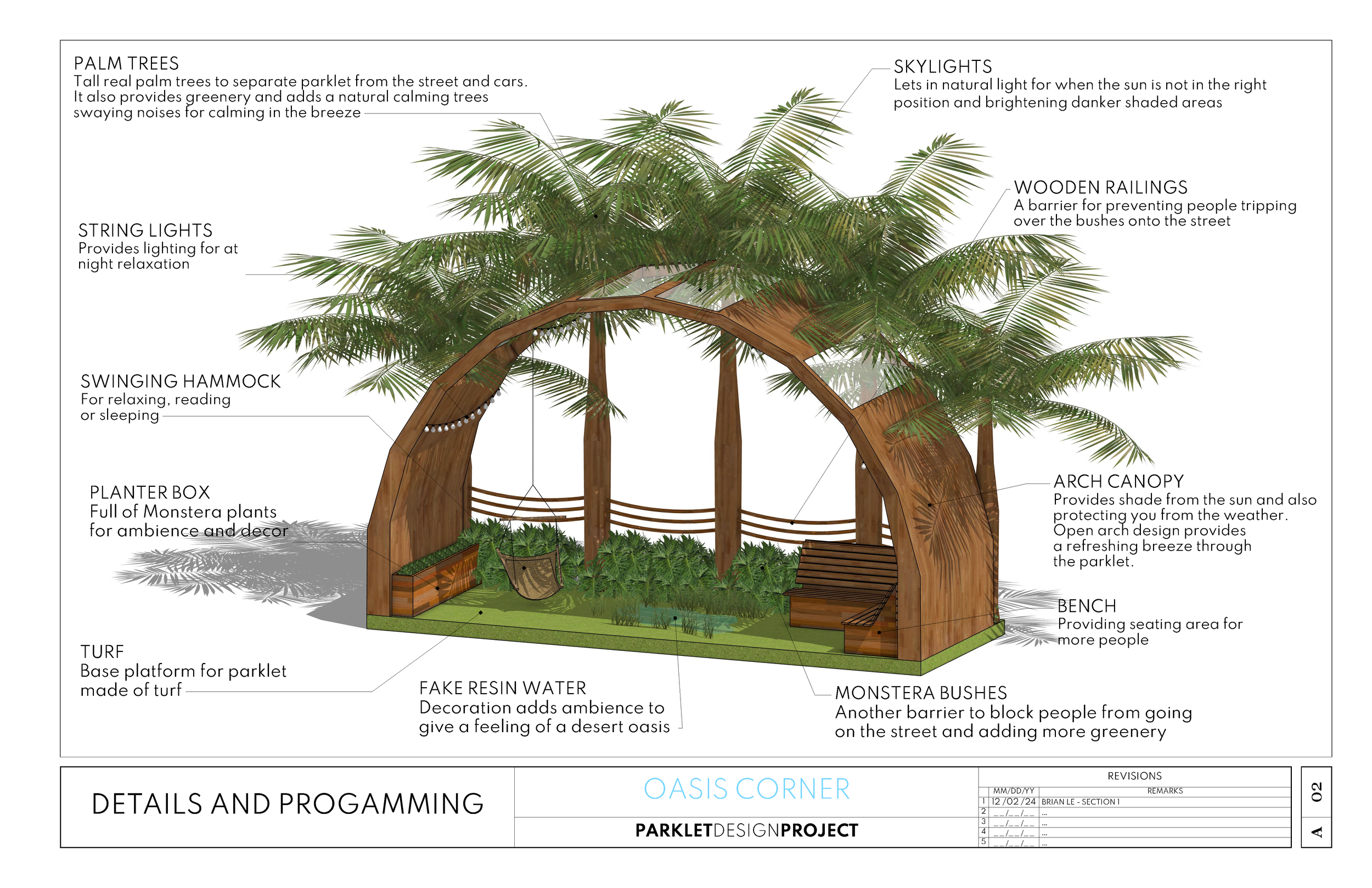
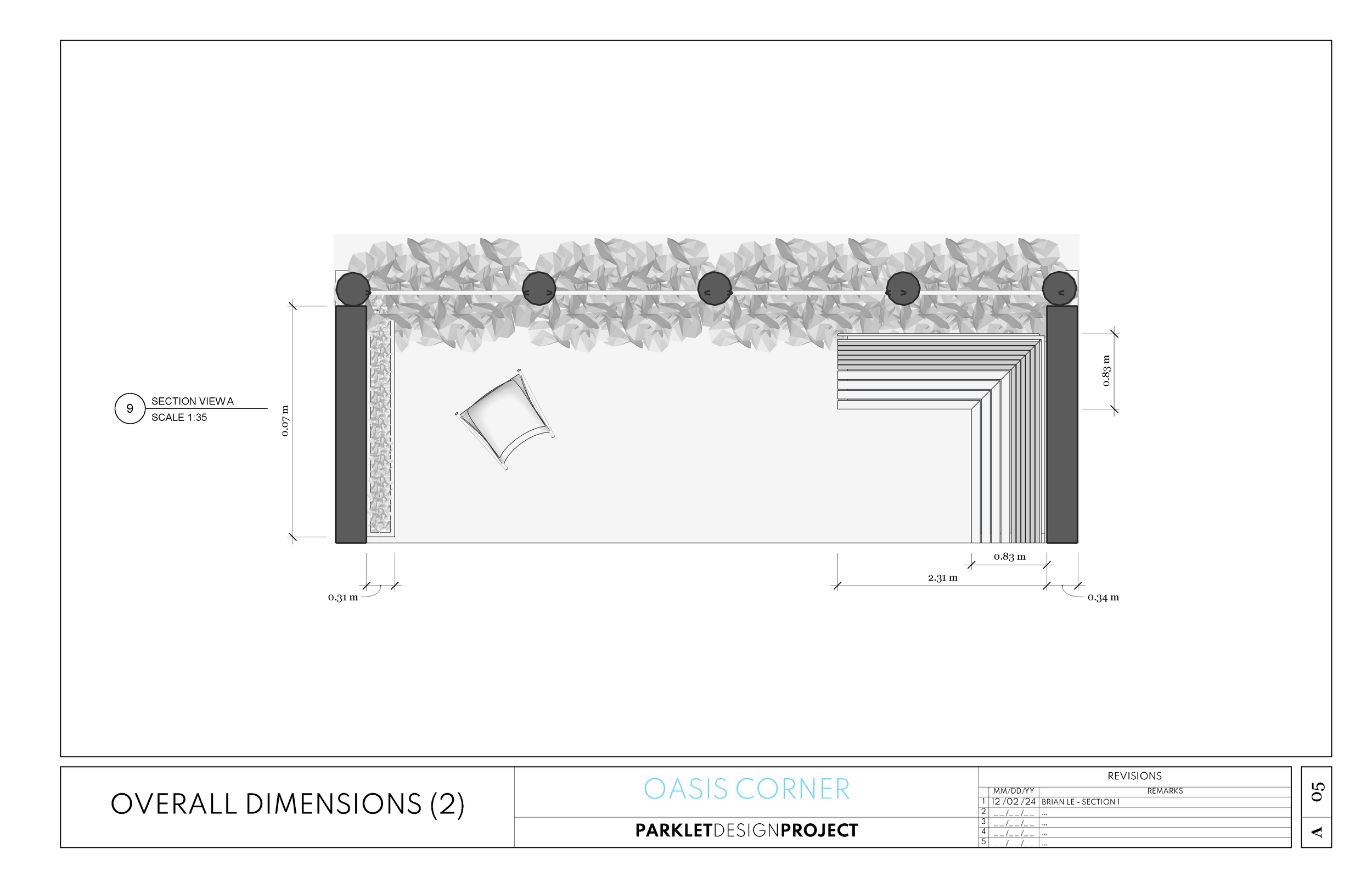
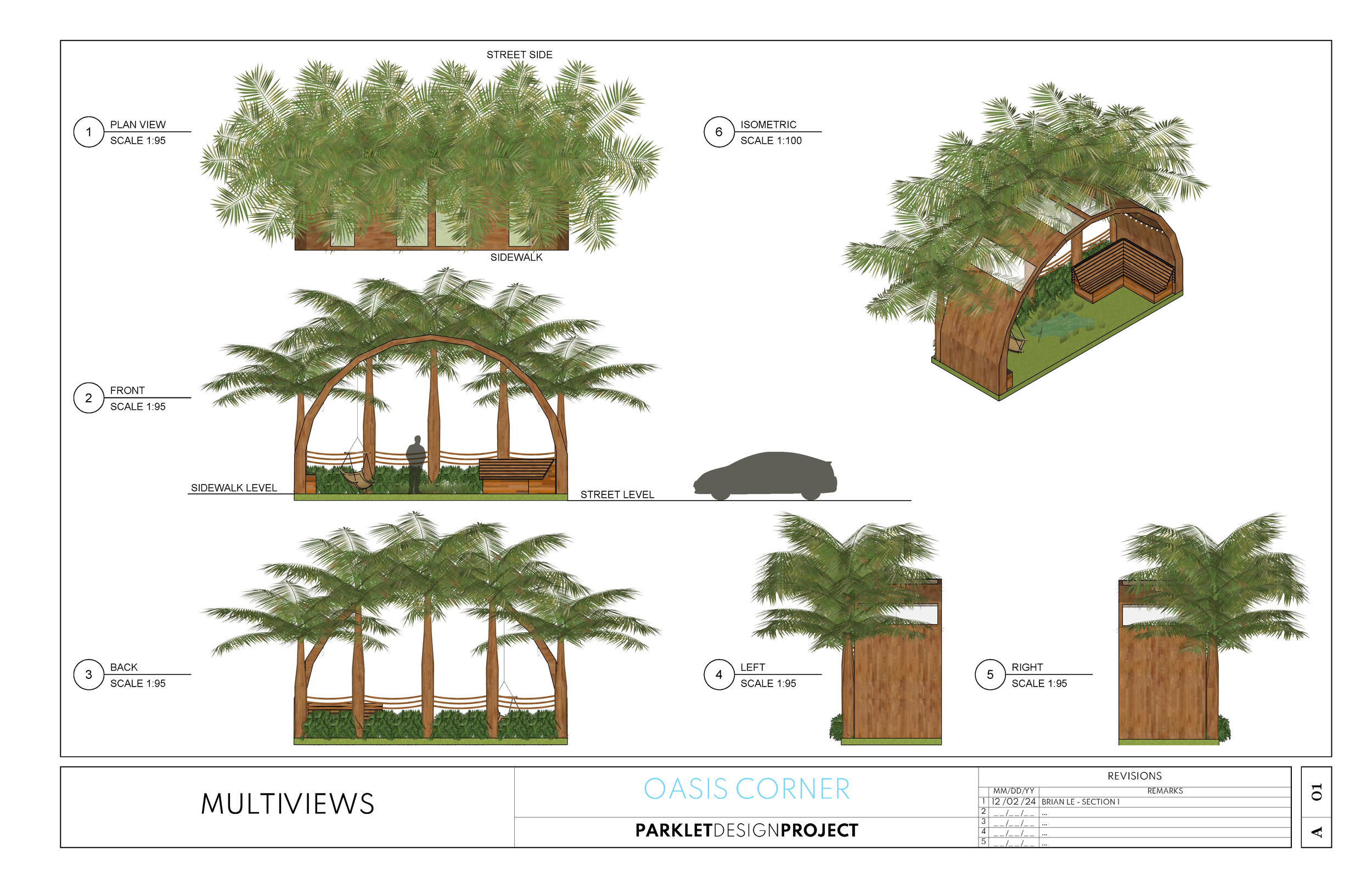
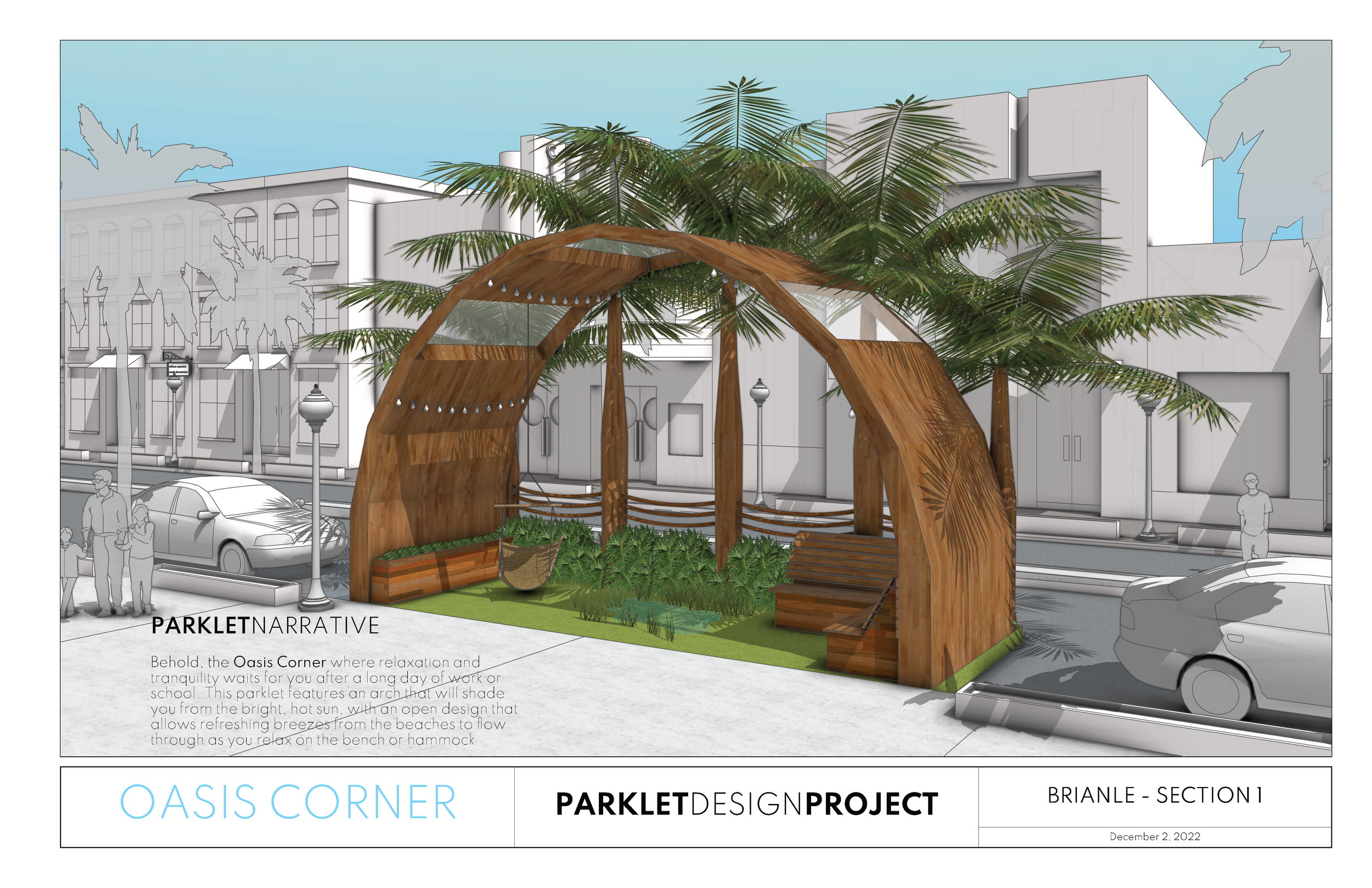
“Oasis Corner” Urban Parklet
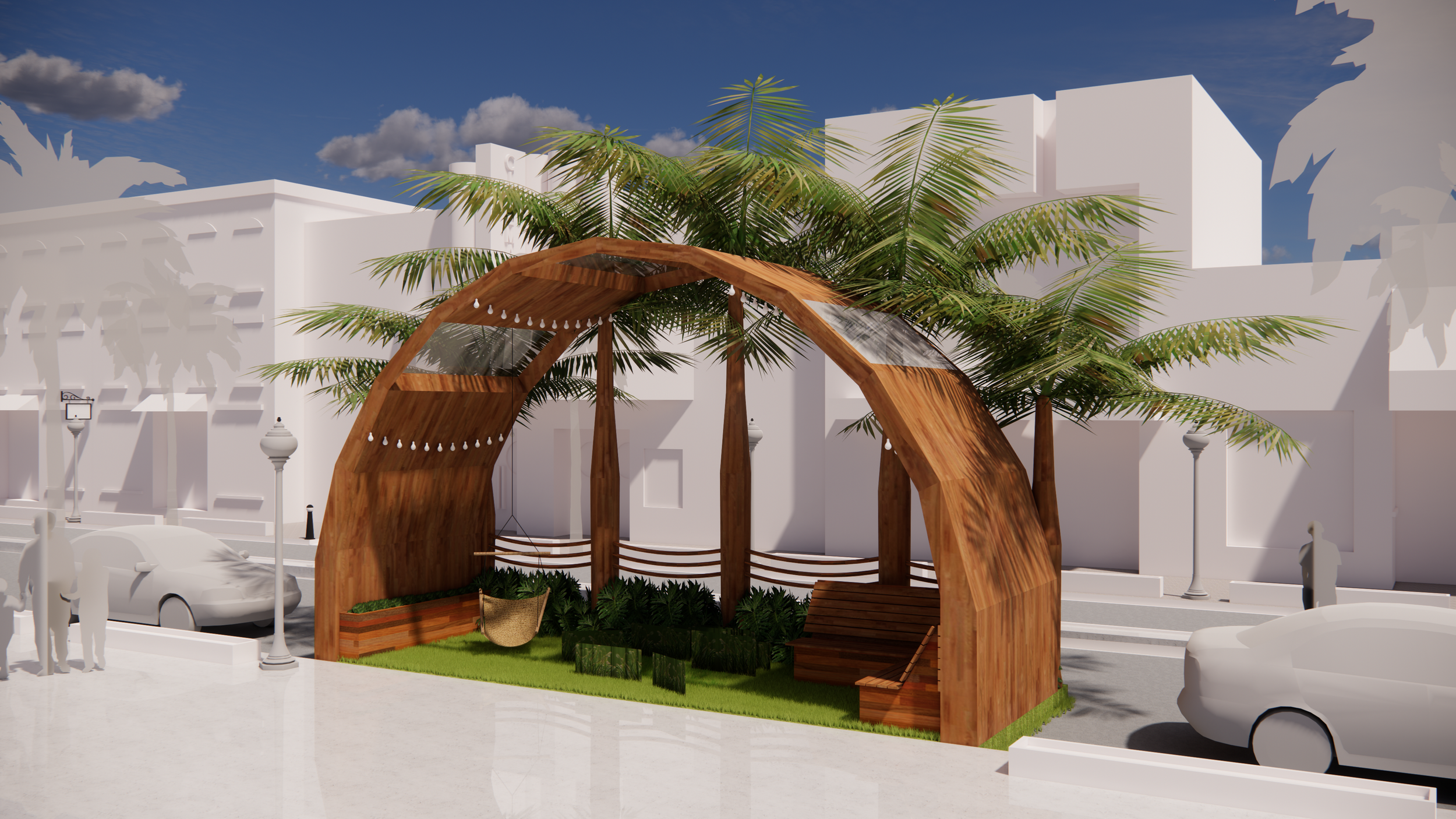
This project focuses on designing a small public parklet that gives people a calm place to rest within the city. My concept is based on the feeling of a desert oasis. A large arch frames the space and creates shade while keeping the area open to natural airflow. Under the arch is a hammock and a bench where people can sit, relax, or take a break after work or school. A resin feature sits in the center and is surrounded by tall grass to add texture and movement. Five palm trees line the back of the parklet and help create the atmosphere of stepping into a quiet oasis in the middle of an urban street. The goal was to design a simple and peaceful retreat that lets people slow down and reset.
03:Parklet
Interiors & Architecture | 3D Model
04:Arc’teryx Alpha SV
Interiors & Architecture | 3D Model
Project Overview
“Arc’teryx Alpha SV” Experiential Exhibit
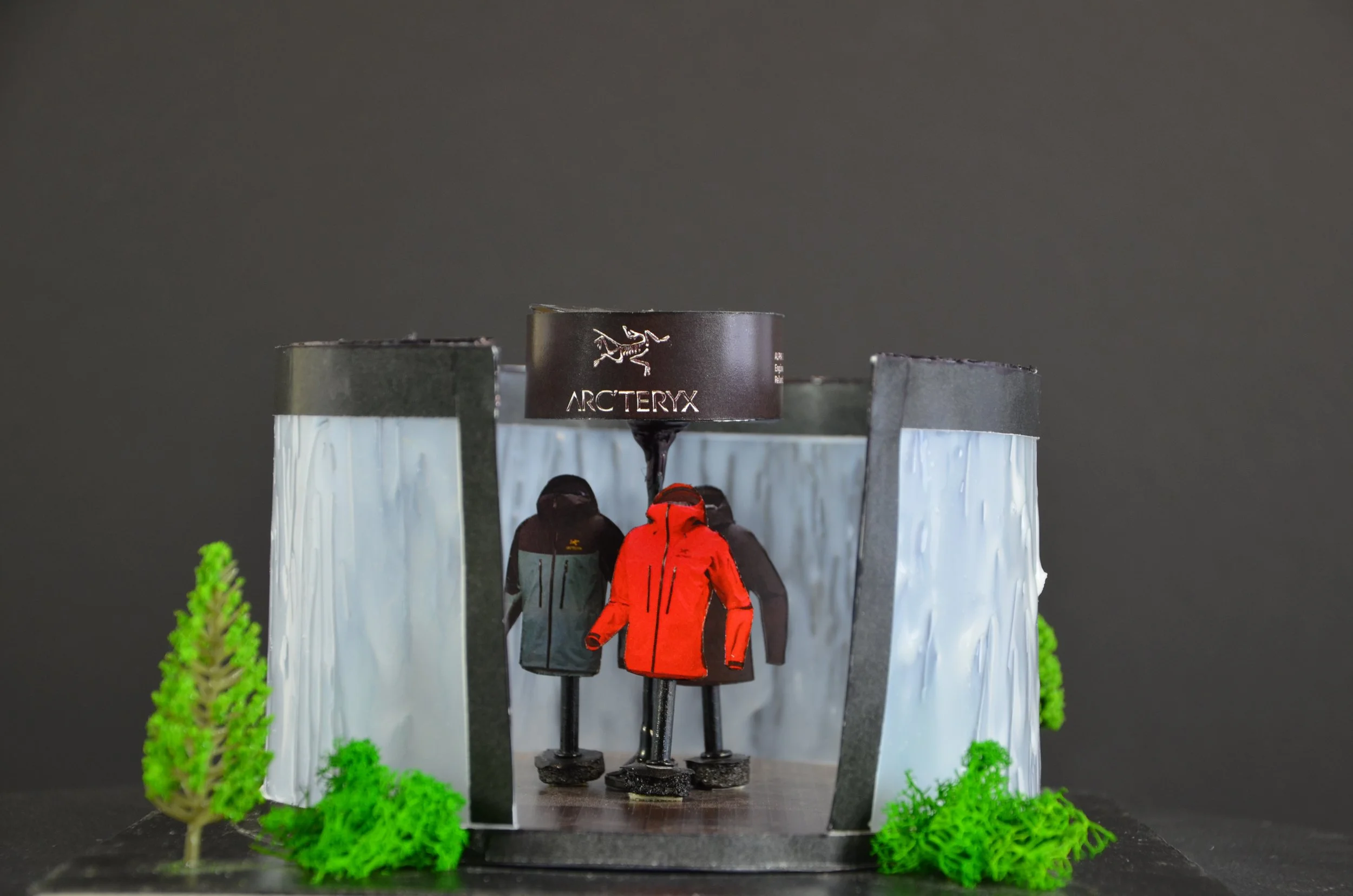
I did an Arc’teryx Alpha SV project for a display model, and my concept focused on one of the jacket’s strongest features, which is waterproofing. This project focuses on creating an immersive exhibit that highlights the Alpha SV jacket, and the concept sits inside a 16’ x 16’ x 16’ boundary. I designed an enclosed circular area with a doorway cutout, and instead of solid walls, I built water walls using tacky glue and acetate to replicate the look and texture of falling water.
In the middle of the display, there are three jackets positioned under a hood and title cover that includes a description of the Alpha SV. The hood is also meant to act as a shower head above the jackets, although I couldn’t fully replicate the water effect in the physical model. I added greenery around the outside to create a forest‑like smell and immerse people in a natural environment. The water walls and the shower head add a light sensory layer through sound.
The entire model is black themed to match the clean, technical, and minimal aesthetic of Arc’teryx stores.
Project Overview
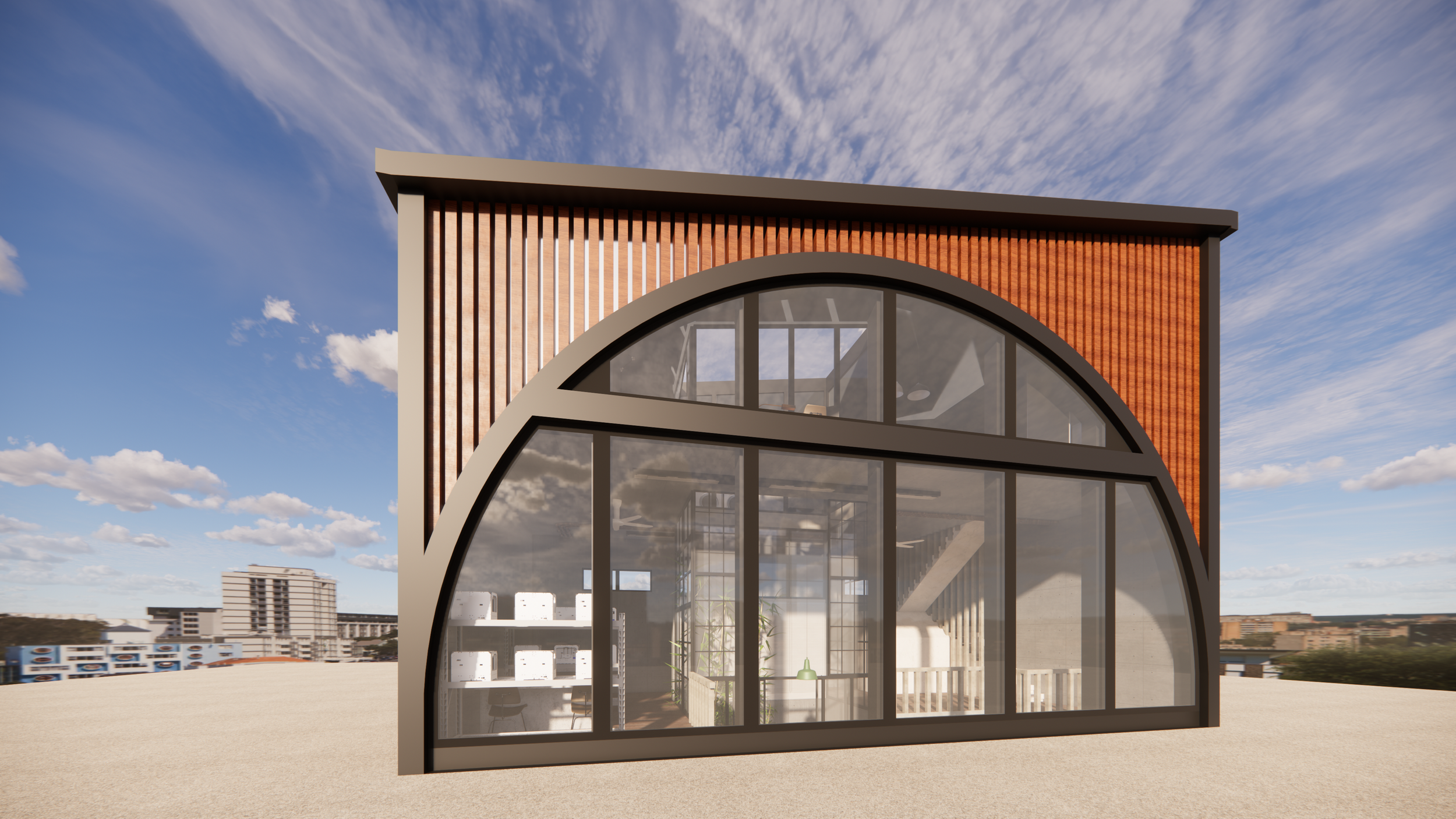
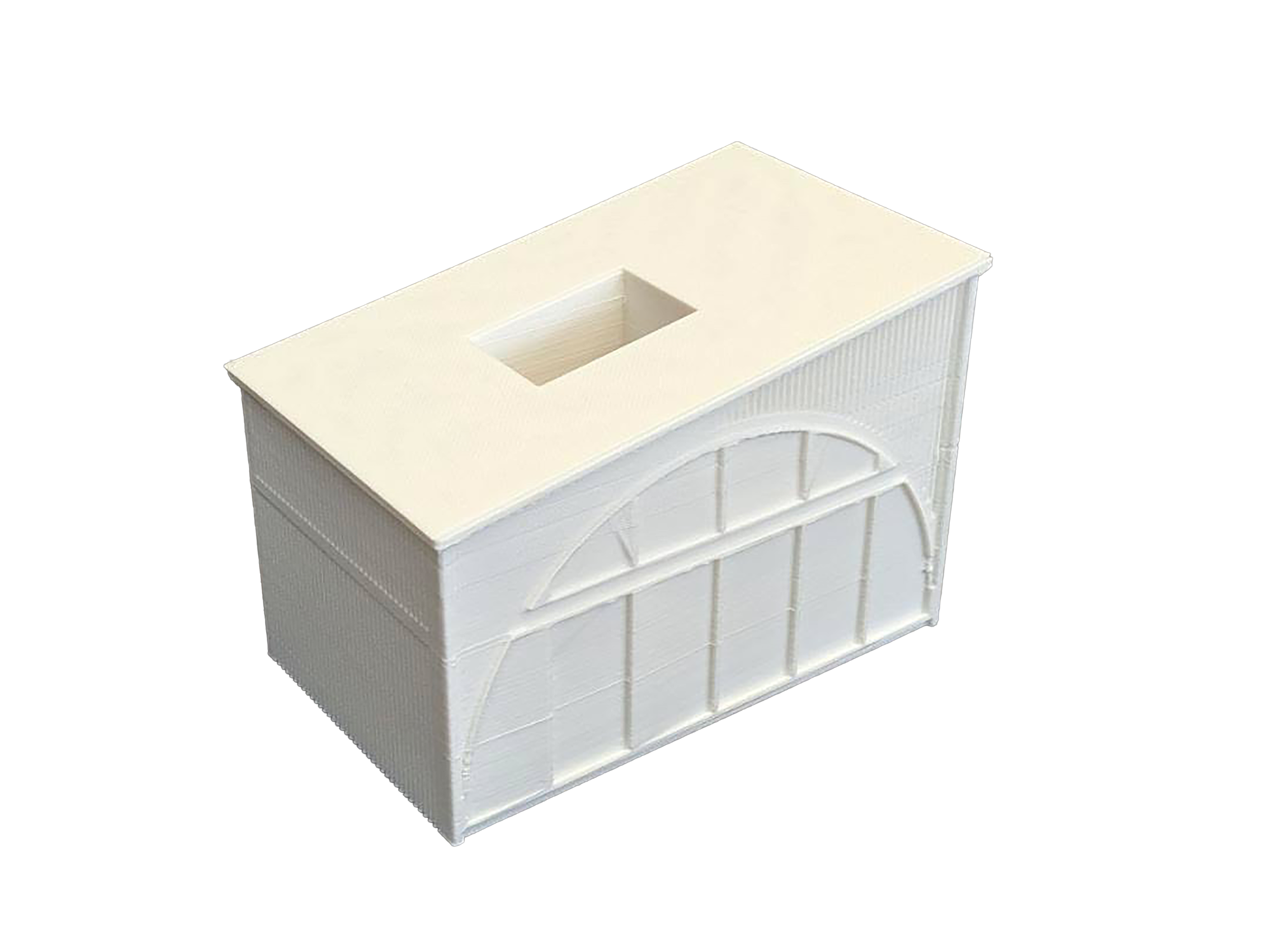
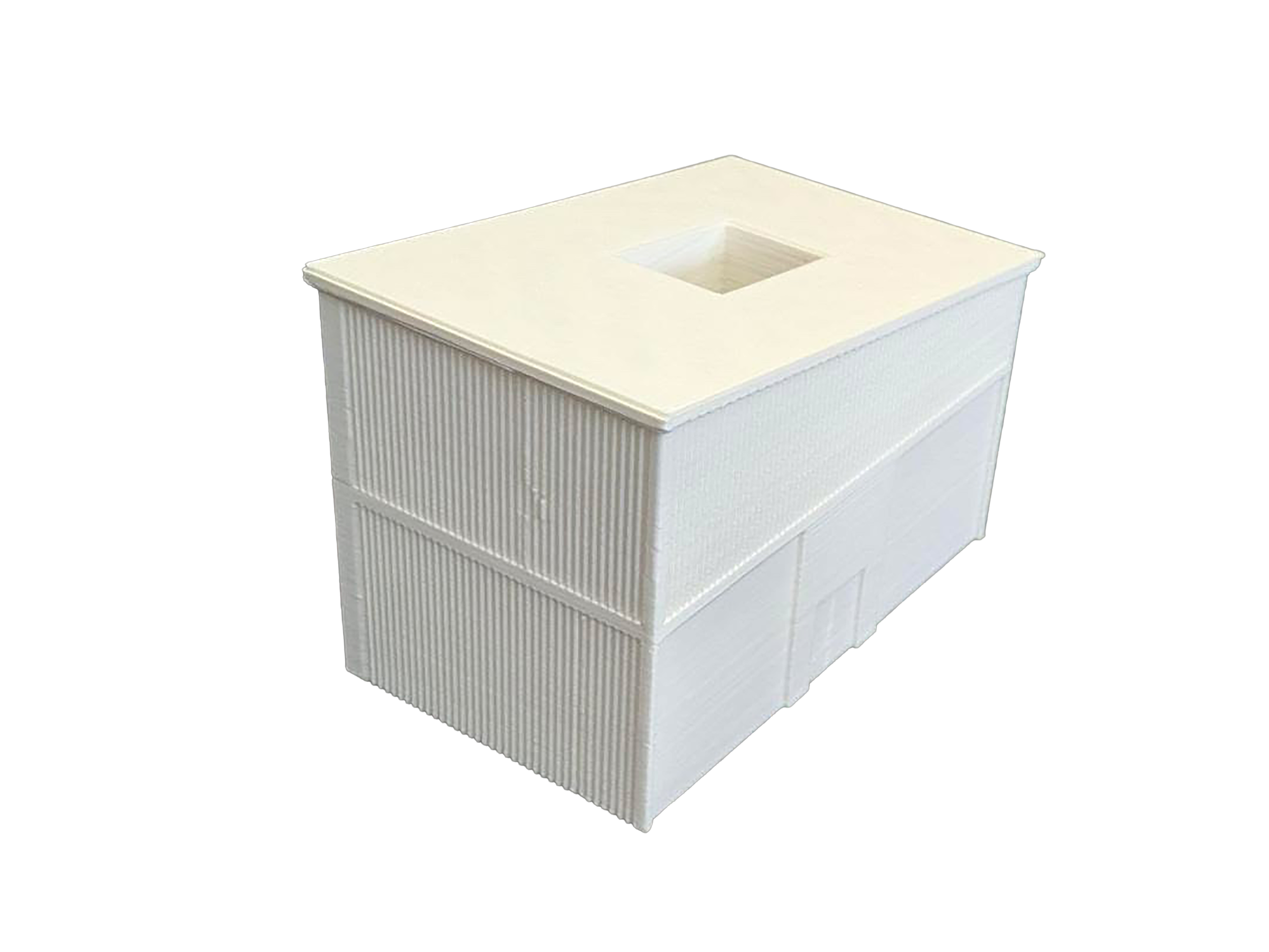
“3d Print Workshop” Mixed-Use Laneway House
Objective: Design laneway houses that reimagine the potential of Vancouver’s urban fabric by integrating nonresidential programs to create dynamic, mixed-use corridors. Explore how these often-overlooked
spaces can evolve into vibrant community hubs, balancing residential living with broader neighbourhood engagement.
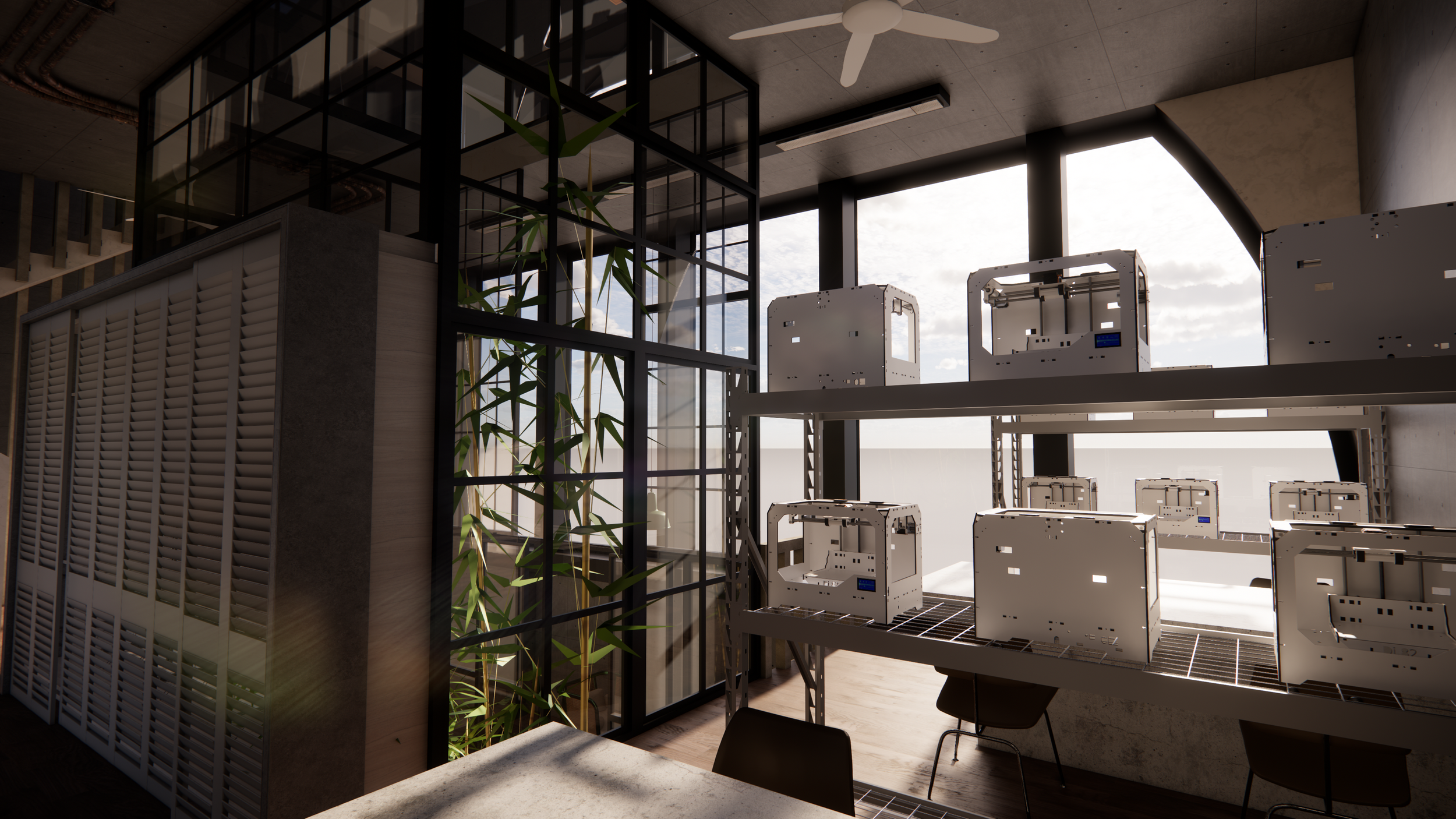
This project started with the idea of having a calm atrium in the middle that everything else wraps around. I didn’t want the workshop and the home to feel like two separate buildings, so the atrium becomes the anchor. It brings in light, has plants, and includes a small tea area, so the space feels quiet and natural.
The first floor is a community 3D‑printing workshop. It’s open and flexible, so the layout can change depending on what’s happening. Tools and materials are stored in a full storage wall, so the space stays clean after hours.
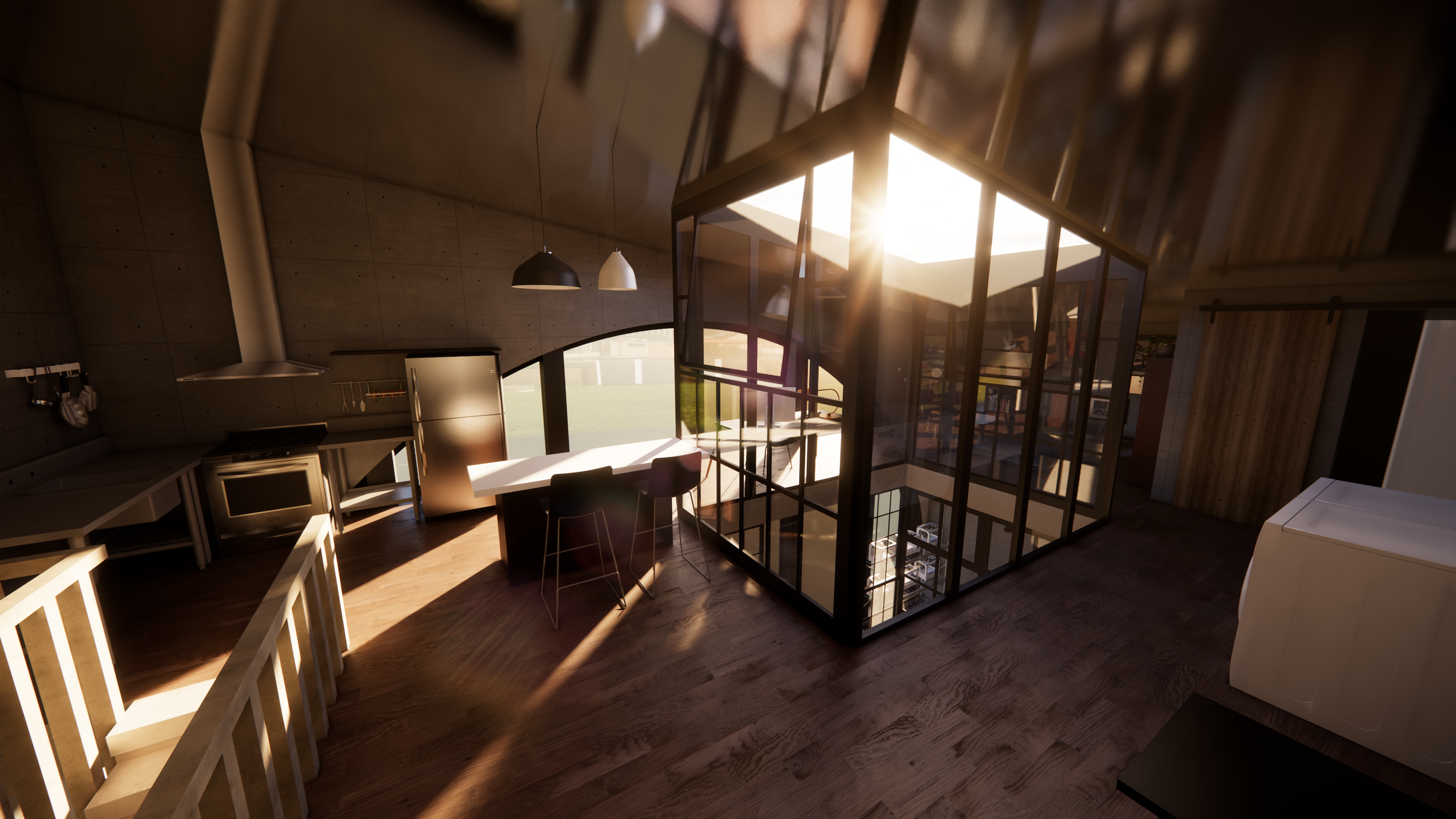
The second floor is the residential level. It’s completely open with no interior walls except the washroom, so the living, kitchen, and sleeping areas all share the light from the atrium. This keeps the home feeling connected and calm, even though the building has two different uses.
05:Mixed-Use Laneway House
Interiors & Architecture | Site analysis | Scematic Design